Reach Us

C.S.Joshi, Neelam Lohia, Sneha Shukla, R.C.Arora, S.Adhikari Members, OTAI – NZ
Other Modern Techniques:
Molecular distillation: This method is used for separating volatile compounds with very close boiling points.
Fractional distillation: This technique separates components based on their boiling points.
Ohmic heated water distillation: This method uses electrical resistance heating to generate steam for distillation.
Solar distillation: This method uses solar energy to heat water and extract essential oils.
There are a wide variety of different essential oil extraction methods used to obtain the oil. Each method applies different amounts of temperature and pressure, which ultimately impacts the quality of the resulting essential oil. Depending on the essential oil being created, some essential oil extraction methods are better suited to certain plant types and parts.
Adulteration of Essential Oils:
The quality control of essential oils (EO) principally aims at revealing the presence of adulterations and at quantifying compounds that are limited by law by evaluating EO chemical compositions, usually in terms of the normalised relative abundance of selected markers, for comparison to reference values reported in pharmacopoeias and/or international norms. Common adulterations of EO consist of the addition of cheaper EO or synthetic materials.
This adulteration can be detected by calculating the percent normalised areas of selected markers or the enantiomeric composition of chiral components. The dilution of the EO with vegetable oils is another type of adulteration. This adulteration is quite devious, as it modifies neither the qualitative composition of the resulting EO nor the marker’s normalised percentage abundance, which is no longer diagnostic, nor an absolute quantitative analysis is required. This study aims at verifying the application of the two above approaches (i.e., normalised relative abundance and absolute quantitation) to detect EO Adulterations, with examples involving selected commercial EO (lavender, bergamot and tea tree) adulterated with synthetic components, EO of different origin and lower economical values and heavy vegetable oils. The results show that absolute quantitation is necessary to highlight adulteration with heavy vegetable oils, providing that a reference quantitative profile is available.
Adulteration of essential oils, the practice of adding cheaper substances to dilute or mimic the real oil, can be detected using various analytical techniques. Common methods include gas chromatography-mass spectrometry (GC-MS), chiral GC-MS, and isotope-ratio mass spectrometry (GC-IRMS). These techniques analyze the chemical composition and isotopic ratios to identify deviations from the expected profile of a genuine essential oil.
Methods for Detecting Adulteration:
Considering the high demand and the highly appreciated properties of some essential oils, for example, those extracted from lavender or frankincense, there is no wonder that counterfeit and adulterated essential oils can be offered in the market. The formulation of medicinal products with counterfeit and adulterated essential oils could be very dangerous and put in serious risk the health of consumers.
Currently, the technique considered for the quality control of essential oils is gas chromatography (GC), ideally, coupled to mass spectrometry (MS). By methods based on this technique, the detection of volatile compounds present in essential oils is possible and even the confirmation of the identity of such compounds can easily be achieved. To deal with the adulteration based on the addition of synthetic versions of compounds present in the essential oils, isotope-ratio mass spectrometry and chiral GC analysis have demonstrated great efficiency. In cases in which adulteration with a non-volatile substance is suspected, the use of liquid chromatography (i.e., high performance liquid chromatography, HPLC) could be useful.
Gas Chromatography-Mass Spectrometry (GC-MS)
This technique separates the volatile compounds in an essential oil and identifies them based on their mass-to-charge ratio. It can reveal the presence of unexpected compounds or altered ratios of known components, indicating adulteration.
Chiral GC-MS
This specialized form of GC-MS separates enantiomers, which are molecules that are mirror images of each other. It is particularly useful for detecting adulteration with synthetic compounds or oils of different origins that have different enantiomeric ratios.
Isotope-Ratio Mass Spectrometry (GC-IRMS)
This technique analyzes the isotopic composition of the oil, specifically the ratio of different isotopes of the same element. It can detect adulteration with synthetic compounds or oils that have been sourced from different regions.
Component Ratio Quantitation
This method involves analyzing the ratios of specific compounds within the essential oil. Significant deviations from the known ratios for a genuine oil can indicate adulteration.
Enantioselective GC-MS
Similar to chiral GC-MS, this method focuses on the analysis of chiral compounds to identify adulteration with oils or synthetic compounds having different enantiomeric compositions.
SNIF-NMR (Site-Specific Natural Isotope Fractionation Nuclear Magnetic Resonance)
This technique provides information about the isotopic composition of specific carbon atoms within the molecules, which can help detect adulteration with synthetic compounds.
Near Infrared Spectroscopy (NIR)
This method can be used to quickly screen essential oils for adulteration by analyzing their spectral patterns.
Visual and Olfactory Inspection
While not as precise as analytical methods, a visual inspection for clarity and a trained nose can help detect obvious signs of adulteration, such as cloudiness or a less complex aroma.
Specific examples of adulteration and their detection:
Dilution with vegetable oils
GC-MS can readily detect the presence of fatty acids and other components characteristic of vegetable oils.
Addition of cheaper essential oils
Chiral GC-MS can be used to identify the presence of different enantiomeric ratios, revealing the addition of oils with different origins.
Use of synthetic compounds
GC-IRMS and SNIF-NMR are effective in detecting the use of synthetic compounds, as their isotopic composition will differ from natural compounds.
Importance of detecting adulteration:
Adulteration can significantly impact the therapeutic properties and safety of essential oils, as the added substances may not have the same medicinal or aromatic effects. Accurate detection of adulteration is crucial for ensuring the quality and efficacy of essential oils for both therapeutic and cosmetic applications.
Essential Oils:
Although there are many, some essential oils which are rare of industrial importance are mentioned here including their cultivation, harvesting, production/extraction, chemical composition and applications & uses.
IRIS ESSENTIAL OIL
Introduction:
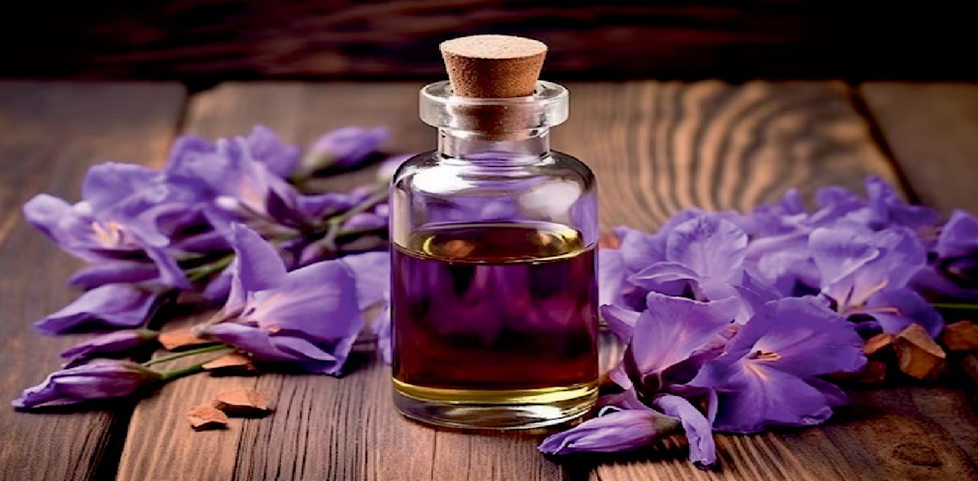
Iris essential oils are extracted from the iris plant, which has been used for its medicinal and ornamental properties for centuries. The oils are used in cosmetics, pharmaceuticals, and food. Iris essential oil is made from the rhizomes, or roots, of the iris plant. The rhizomes are carefully cultivated for several years before the oil is extracted.
The family is nearly worldwide in distribution, but it is most abundant and diversified in Africa. Most species are native to temperate, subtropical, and tropical regions. Nearly all species are found in temperate Northern Hemisphere zones, from Europe to Asia and across North America. Although diverse in ecology, Iris is predominantly found in dry, semi-desert, or colder rocky mountainous areas. Other habitats include grassy slopes, meadowlands, woodland, bogs and riverbanks. Dutch iris can be grown in cold, temperate, and subtropical climates. In India these bulbs can be grown at North Indian plains, Hyderabad during winters, Hills of North and south India, Valley of Kashmir (during summer).
Botanical Name:
Iridaceae. Iridaceae, the iris family of flowering plants (order Asparagales), comprising 66 genera and around 2,200 species.
Cultivation:
Planting: Dig a shallow hole, add a ridge of soil down the middle, and place the rhizome on the ridge.
Spacing: Space the rhizomes 1–2 feet apart, depending on the size.
Watering: In hot climates, plant the rhizome just below the soil surface.
Propagation: Rhizome transplanting is a traditional method, but micro-propagation using somatic embryogenesis may be more effective.
Maturation: Leave the rhizomes in the field for 3–5 years to develop the bulbs.
Drying: Dry the root bulbs for 3–6 years.
Harvesting:
Irises are usually harvested in the summer, between June and September. The rhizomes are carefully dug up and left in the field for 4–5 years to develop bulbs.
Drying:
The bulbs are then sun dried and protected from moisture and mildew.
The drying process can take at least three years.
During drying, the bulbs develop an “irone” molecule that gives them their characteristic aroma.
Clean and peel the root.
Chop into large pieces and let air dry for a few days.
Chop more finely in a food processor.
Dry completely.
Extraction:
Iris essential oil is produced by extracting the scented oils from the bulbous root of the iris plant, also known as orris. The process involves aging the roots, then extracting the oils using either steam distillation or solvent extraction.
Solvent extraction: The roots are coated with a solvent, like petroleum or benzene, which dissolves the oils. The waxy material is then dissolved in alcohol, and the alcohol is distilled off to produce the perfume oil.
Steam distillation: The roots are ground and steam distilled to produce an essential oil. The quality of iris essential oil is determined by the amount of á-irone and trans-2,6-ã-irone it contains. The iris essential oil is used in perfumes to create high-quality fragrances.
The roots of Iris plants are carefully kept on the field for 4 to 5 years or more to develop the bulbs and then it takes another 3 to 6 years to dry the root bulbs before the actual distillation process.
Chemical Composition of Iris Essential Oil:
The essential oil was obtained by a steam distillation method, generally used, from the dried leaves of Iris germanica L., Iris versicolor L., Iris graminea L., and Iris halophila Pall. (Iridaceae) and was investigated by a gas chromatography-mass spectrometry (GC/MS) method. In I. germanica, I. versicolor, I. graminea, and I. halophila were determined 0.06%, 0.10%, 0.06%, and 0.02% of oil yields, with a total of 28, 31, 25, and 23 compounds, respectively. In leaves are predominant essential oil triterpenoids, fatty acids, their esters, aliphatic hydrocarbons, and their derivatives. The highest content of á-irone and trans-2, 6-ã-irone was obtained in the oil of I. graminea leaves with 2.71% and 1.00%, respectively. Contents of á-irone and ã-irone are accepted as the most significant commercial quality criteria of Iris essential oil. Such compounds as â- damascenone (1.11, 0.50% in I. versicolor and I. germanica, respectively), phytol (only in I. versicolor, 22.40%), and squalene (in all species, 5.95–22.84%) were identified in Iris genus plants. This is the report about the isolation and identification of oil from Iris leaves by GC-MS.
Common of Iris leaves was 2-methoxy-4-vinylphenol (0.34–1.62%), geranyl acetone, -ionone-5,6-epoxide, -ionone, hexahydro farnesyl acetone, farnesyl acetone, squalene, and some saturated hydrocarbons. In the chemical composition of the essential oils from Iris leaves, Tricosane, tetracosane, pentacosane, hexacosane, and other alkanes were found, the presence of which is due to the fact that they are a part of the wax of the cuticle covering the leaves of the plant and are also the volatile compounds and fly with terpenoids in the analysis.
Benefits of iris essential oils:
Antimicrobial: Iris essential oils have antibacterial and antifungal properties.
Antioxidant: Iris essential oils have antioxidant properties.
Anti-inflammatory: Iris extracts have anti- inflammatory properties.
Hepatoprotective: Iris extracts have hepatoprotective properties.
Neuroprotective: Iris extracts have neuroprotective properties.
Food: Iris extracts can be used as flavoring agents and to extend the shelf life of food.
Cosmetics: Iris is used in cosmetics.
Perfume: Iris is used in perfumes.
Precautions:
Iris essential oil, also known as orris oil, is a potent oil that can be harmful if used incorrectly. Here are some precautions to take when using iris essential oil:
Dilute: Always dilute the oil before applying it to your skin.
Avoid eyes: Keep the oil away from your eyes and mucous membranes.
Avoid skin reactions: Test the oil on your skin before using it regularly. Apply a few drops to your inner elbow and wait 48 hours.
Do not take iris essential oil orally unless you have advanced aromatherapy training.
Avoid pregnant people: Use caution when treating pregnant or potentially pregnant people.
Avoid flames: Keep the oil away from direct contact with flames, such as candles, matches, and gas cookers. Ensure ventilation: Make sure the area where you’re using the oil is well ventilated. Seek medical attention: If you swallow the oil, call a poison center or doctor immediately.
WINTER GREEN ESSENTIAL OIL
About
Wintergreen is a woody, evergreen ground cover grown in different regions of the world and commonly used as a flavouring for chewing gum, candies, and toothpaste. Young Living Wintergreen essential oil has a cool, minty aroma and contains the naturally occurring constituent methyl salicylate, which is beneficial for use during soothing massage to cool fatigued muscles and joints when applied topically.
Wintergreen’s fragrance may appeal to children, so always keep the child-resistant cap in place.
Common and Scientific Name: The common names of Wintergreen, Checkerberry, and Teaberry are for the plant known as Gaultheria procumbens. This plant is an aromatic plant of the heath family called Ericaceae
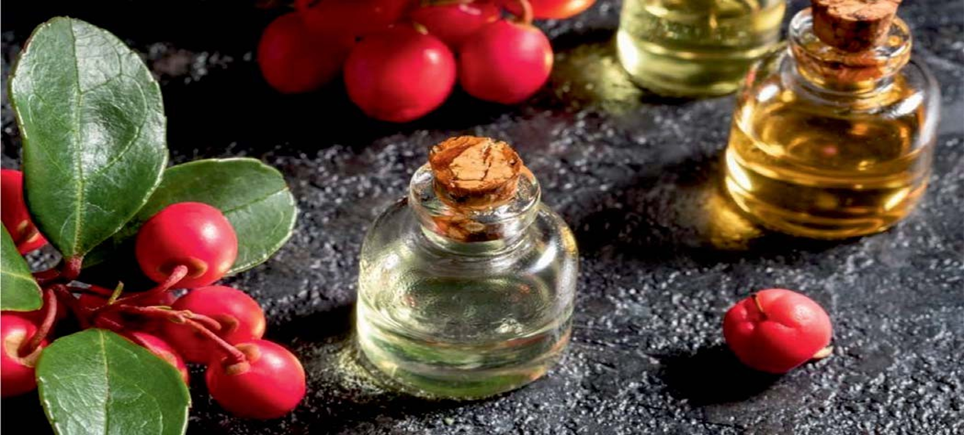
Countries of Origin of the Plant and oil: Essential oil of Wintergreen (G. procumbens or G. fragrantissima) is available in Nepal and China. G. procumbens is in the forest of Canada and the north of the United States.
ENDANGERED: Wintergreen is native to Ontario Canada. It was first discovered and used by Native Americans; the leaves and berries produce the oil of wintergreen (methyl salicylate). And it is not endangered.
GENERAL DESCRIPTION OF WINTERGREEN HABITAT and GROWTH:
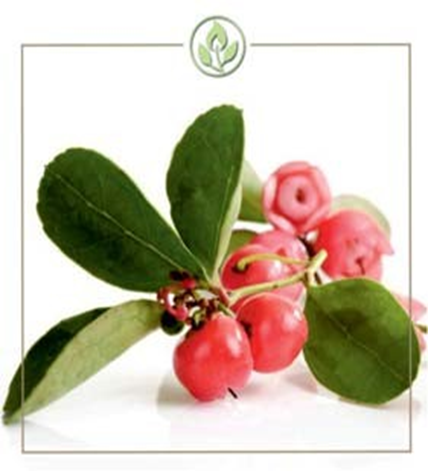
Gaultheria procumbens has many short erect branches with short-stalked, thick, shining tooth- edged leaves in the upper part. Flowers hang singly from the leaf axils and have a pale pink, waxy- looking, urn-shaped corolla. The bright red
berrylike fruits, sometimes called deer-berries, consist of the much-enlarged fleshy calyx, which surrounds the small many-seeded capsule. The plant is a native of shady wood on sandy
soil, particularly in the mountainous areas of the northern United States and southern Canada.
It is evergreen, a ground cover, and seems to be tolerant of most soil, sandy, dry, slightly alkaline, and drought tolerant. It seems to prefer well-drained soil.
LEAVES OF WINTERGREEN ARE USED IN
EXTRACTION: The composition of wintergreen essential oil is very simple; its distillation is a bit more complex. First, the methyl salicylate is not free in the plant but bound to some sugar. This non- volatile glucidic complex named gaultherin must be hydrolyzed prior to distillation so that the methyl salicylate can be distilled. The leaves must be macerated in hot water prior to the distillation so that the plant enzymes can free the methyl salicylate. This macerate water is used in the hydrodistillation. Wintergreen essential oil is one of the rare oils that are denser than water and it doesn’t decant easily. The distillation of eastern teaberry requires a still with a special design (a separator for heavy oils and for better yields, the possibility to distill with cohobation).
Wintergreen leaf tea is harvested in Nepal and the oil is made by steam processing of warmed, water- soaked wintergreen leaves. and then steam-distilled.
ORGANOLEPTICS of Wintergreen: The scent of the essential oil is bright and fresh and should be used in dilution – never neat.
| Organoleptic | Wintergreen – Red | Wintergreen – No Color |
| Color | reddish | colorless |
| Clarity | clear | clear |
| Viscosity | Non-viscous | Non-viscous |
| Intensity | 8 | 6 |
| Taste | Strong & bitter | Strong & bitter |
| Odor | Eponymous | Fruity, |
| Wintergreen | green, and | |
| gum odor. | Herbaceous | |
| green, fruity, | ||
| herbaceous |
CHEMISTRY AND COMPONENTS-
WINTERGREEN: oil has a relatively simple composition. Methyl salicylate is the main compound found in this EO at a concentration higher than 98%. The remaining part of the oil generally contains low amounts of ethyl salicylate, linalool, á-pinene, and limonene.
Application and Uses
Wintergreen is an herb. It has a good taste and is used in teas for headaches and other types of pain, fever, gas, pain of arthritis, and other conditions. In foods, wintergreen fruit is consumed raw or cooked in jellies, syrups, and wine and is very tasty.
The leaves and oil are used to make medicine. In manufacturing, Wintergreen is used as a flavouring agent in food, candies, teas, root beer, and in pharmaceutical products. The E.O. is used for painful conditions including headache, arthritis, and menstrual cramps. It is also used for digestion problems including stomachache and gas (flatulence) and lung conditions including asthma.
BASIL ESSENTIAL OIL
Introduction
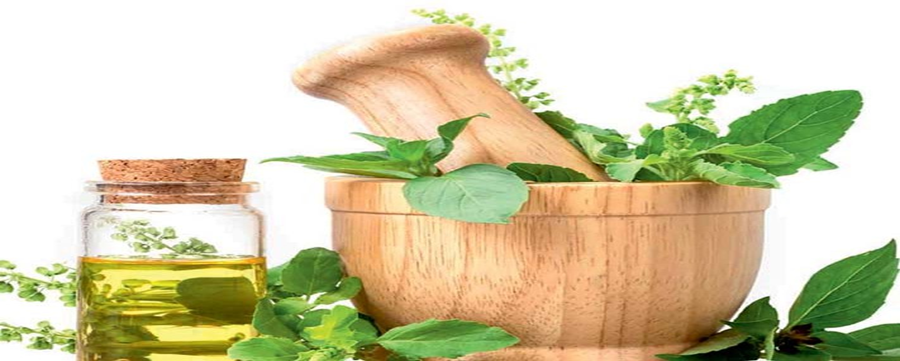
Tulsi oil is extracted from holy basil (Ocimum basilicum), a variety of basil that is native to the Indian subcontinent. This bushy plant can grow from two to three feet tall, with serrated oval leaves that can range from light green to purple (depending on the variety).
The Tulsi plant is extremely sensitive to frost and thrives best in warm Mediterranean climates, just as other basil species do. But while it grows best out in the garden, you can still develop this herb indoors. Because of its several beneficial properties; the Tulsi plant has been dubbed the “Queen of Herbs.” The name Tulsi itself translates to “the incomparable one,” which probably refers to the numerous health benefits it can provide.
Tulsi plays a great role and one of the herbs of India’s ancient holistic health system called Ayurveda. In fact, Ayurveda means “knowledge of life,” and herbs are in the middle of this practice. This is why it’s not surprising that Tulsi oil has garnered considerable attention, particularly because of its soothing effects. The unique fragrance and
medicinal qualities that holy basil oil offers absolutely make it deserving of the title “elixir of life.”
Ocimum basilicum L. is the ground part of the annual herb basil of the lipodiaceae. The whole plant of basil can be used as medi- cine. Basil has the functions of sterilization, anti-inflammatory and stomach-strengthening, and can be used for the treatment of gastrointestinal tract, arthritis and other diseases. The flow- ers, stems and leaves of basil have a certain fragrance. They are an important source of seasoning in Bozhou folk areas. Basil is rich in volatile oil, volatile oil is one of the important of basil play a role of pharmacological active ingredients, the essential oil is mainly composed of eugenol, linalool, anethole.
ÿþVolatile oil evaporates easily at room temperature. As an important effective component of traditional Chinese medicine, volatile oil is widely distributed in the plant kingdom, and its content is generally less than 1%. Volatile oil mainly contains terpenoids, aromatic family, fatty family com- pounds, etc.
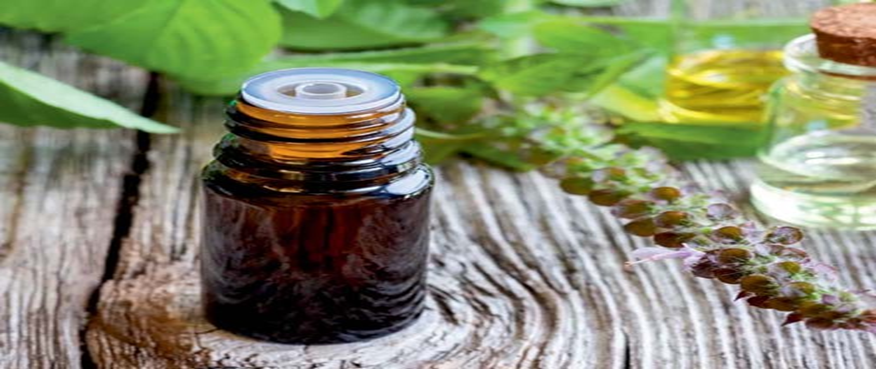
Botanical Name
- Botanical name: Ocimum basilicum
- Family Name: Lamiaceae
- Common name: Basil or Sweet basil
- Part Used: Leaves
- Blends well with: Black pepper, Ginger and Fennel.
Cultivation and Harvesting
Basil is a member of the mint family. Sweet basil is the most common culinary basil. Physically, basils are characterized by square, branching stems, opposite leaves, brown or black seeds, and flower spikes Large-leaved basils, such as sweet basil, Italian basil, and lettuce-leaf basil can grow two to three feet in height. Small leaved basil such as lemon basil, dwarf basil, bush basil, or spicy globe basil will grow 8 to 12 inches in height and width. Reddish-purple variations such as Dark Opal and Purple Ruffles tend to be intermediate in size, bearing purple instead of white flowers. Although these varieties have minor nuances in flavour, they are used for food preparation. In the United States, basil is grown commercially in western and southern states where the climate is favourable including. Arizona, California, Florida, New Mexico, and North Carolina. Production statistics for basil are not tracked individually, but they are included in the larger ‘herb’ category. Mexico is a larger exporter of basil to the United States.
Basil is cultivated in climates with temperatures ranging from 45Ú to 80ÚF. This tender herbaceous annual is susceptible to frost and cold-temperature injury. It develops best during long days in the full sun with well-drained soil. Basil can be directly seeded or transplanted to the field in late spring once all danger of frost has passed. Rows are planted 25 to 35 inches apart, with plants spaced every six inches. Basil can also be planted in raised beds in rows of three lines.
The distance between rows is determined by a grower’s equipment, but generally ranges from 10 to 15 inches. Soil is kept moist to encourage germination and improve plant establishment. Germination occurs within eight to 14 days after seed planting. Initial growth is slow, but after the first few sets of leaves appear, growth increases dramatically. Some small growers use transplants to raise basil as an annual crop for the fresh basil market.
Transplants normally require approximately 28 to 42 days for growth. Lateral branching and growth may be encouraged by topping when the plants are five inches high. Topping promotes branching and helps to maximize plant growth when three to five sets of true leaves are present. True leaves appear as the second set of leaves after a plant germinates. (The first set of leaves are the plant’s food structure and are not leaves at all.)
Basil does not tolerate water stress and needs to be watered regularly. Drip irrigation is preferred since it minimizes damage to foliage caused by moisture contact with the leaves. The need for fertilizing basil is determined by soil type, previous applications of fertilizer, and previous crop type. In general, a fertilizer that provides nitrogen, phosphorus, and potassium is recommended. Fertilizer can be spread over a field and ploughed in or applied by ‘side dressing,’ which refers to application of a fertilizer between the rows of a growing crop. Basil is typically grown commercially without the application of herbicides after plant emergence. Growers rely on mechanical cultivation, high plant populations, use of mulch, and manual weed removal for weed control.
Although a variety of different insect, fungal, viral, and nematode pests can affect basil, relatively few pesticides are approved for use on growing basil plants. Novel or organic methods such as biological control using beneficial insects or bacteria, insecticidal soaps, plant extracts, pest traps, manual pest removal, and organic insecticides are used. In some cases, applications of chemical controls can be applied during pre-planting or pre-emergence. The part of the plant that is harvested and the timing of the harvest depend on the anticipated use of the herb. For dried basil leaves, the plant is cut just prior to appearance of flowers. To produce essential basil oil, the plant is harvested when the flowers are in full bloom. In warmer climates, three to five cuttings can be made per year. In cooler climates, the growing season may only allow two cuttings per year; the first usually begins in early summer and the second just before bloom. Basil leaves are harvested above the bottom two to four sets of true leaves for fresh and dried markets. In larger commercial operations, basil plants are cut four to five inches above the ground to allow for regrowth. Planting and harvesting dates are staggered to allow continuity in the supply of fresh basil leaves. For the fresh market, the length of the stem may be important, as is the pack or bundle size and weight. Small scale production is labour intensive and requires that workers cut leaves using a sharp sickle type knife and place the loose leaves in a tote or container.
For large scale commercial operations, harvesting is conducted by using a modified sickle bar/jerry mower pulled by a tractor. The height of the cutting blade is adjustable depending the cut required. Some growers harvest the entire plant depending on market demand.
If marketed fresh, the leaves are washed and cleaned, removing all weeds and extraneous field material.
Basil is packaged in bulk boxes in the field and transferred to storage rooms below 50ÚF for short periods of time without inducing chill damage. Shipped to a packinghouse, the herb is hand sorted and placed into small plastic clam shells for retail sales. Whole plants are wrapped in plastic to maintain their integrity.
Postharvest handling greatly impacts aroma, flavour retention, and leaf colour. When dried, the leaves are usually not subjected to temperatures over 90ÚF.
For the dried herb, low temperature drying of the leaves under forced air is used to retain maximum color prior to milling or distillation to extract essential basil oil.
Light modification by colour shade net manipulation plays an important role in the synthesis of bioactive compounds and has been shown to affect quantity and quality of essential oils in basil.
Sweet basil (Ocumum basilicum L. cv. ‘Genovese’) was used to determine whether different times of harvest could improve yield, chemical composition of essential oils and antioxidant activity under light stress conditions. The lowest accumulation of essential oils was observed in the second harvest from unshaded, control plants (1.02/ mL/100/ g) while the highest oil accumulation was achieved in first harvest from red nets (3.23/ mL/100/ g). The main constituents found in the oil were linalool (46.7–53.9%), eugenol (9.7–20.9%),
1,8-cineole (8.7–15.3%), epi-á-cadinol (3.3–4.5%) and á-trans-bergamotene (2.2–3.4%). Light manipulation by color shade nets also increased antioxidant activity. Plants grown under blue shade nets from the second harvest are characterized by the highest eugenol content (20.9%) and highest antioxidant activity (efficient concentration – EC50, 0.003/ mg/ mL”1). Direct sowing, high plant density, colour shade nets and successive harvests represents a new technology in basil production with high essential oil yield and quality.
Extraction of Basil Oil
ÿþTraditional methods for extracting volatile oil from basil include: water distillation, water distillation, organic solvent extraction, etc. Modern extraction methods include micro- wave method, supercritical fluid extraction method ultrasonic extraction method, etc. Organic solvent method is easy to bring impurities, resulting in residual organic solvent, and the cost of supercritical fluid extraction method is high.
The water vapor dis- tillation method has the method is simple, easy to operate, can greatly save time, increase the oil yield of volatile oil, save the original medicinal materials, thus it plays a role in saving energy, and also can avoid the impact of high temperature on the extraction of volatile oil. At present, steam distillation is more commonly used in the extraction of volatile oils in small-scale industry. In ÿþrecent years, with the continuous improvement of research methods and level, the extraction method of volatile oil has been further improved.
Specification of Basil Oil
Basil Oil BP, USP Grade (British and United State Pharmacopoeia):
It is extracted from the leaves and flowering tops of Basil plant by steam distillation method. Basil is of two kinds one is Holy Basil (Ocimum Sanctum) from which oil is obtained from the seeds and the other is Sweet Basil (Ocimum Basilicum). Several religions and spiritual beliefs emphasize the importance and significance of the use of basil oil. Basil is also known as the Queen of Herbs.
Specification of the Oil:
GENERAL CHARACTERISTICS
| Product | BASIL OIL |
| Botanical Name | Ocimum Basilicum |
| Family | Lamiaceae |
| Part of the plant used | Leaves |
| Appearance | Clear liquid |
| Color | Pale yellow color clear liquid |
| Odor | Characteristic Odor and pleasent smell |
PHYSIO-CHEMICAL PROPERTIES-
| weight per ml 0.812 – 1.897 Refractive index 1.445 – 1.689 Optical rotation (-4) – (+7) Assay by GC Methyl chavicol Min 72% Linalool 10% – 45% Alpha terpineol 0.2% – 9.0% Methyl Eugenol 1.0% – 4.5% Acidity Complies Storage Store in Well Closed Container, in cool and dark storage area Solubility Soluble in Ethanol (70%) |
BASIL OIL History
This amazing oil is native to India and is extracted from the flowering herbs by steam distillation method. This essential oil can be blended well with other essential oils like Lavender Oil, bergamot, clary sage, geranium, black pepper oil and marjoram Oil. It is non-toxic and non-irritant.
PROPERTIES
Basil Oil is a free-flowing, aromatic oil, with lesser viscosity than water. It is pale yellow to brown in color. It has a distinct aroma from the freshly crushed shoots of the basil plant. Find quality products with all supporting details at AOS PRODUCTS PVT LTD. Oil has anti-inflammatory, antimicrobial, antispasmodic, expectorant, febrifuge, nervine, ant- depressant, diaphoretic, insecticidal, antioxidant, analgesic, and stimulating properties.
CHEMICAL COMPOSITION:
It has the following major components in it: Alpapinene, Camphene, Beta-pinene, Myrcene, Limonene, Camphor, Linalool, Methyl Chavicol, Terpineol, Citronellol, Geraniol, and Eugenol.
BASIL OIL USES & BENEFITS:
Aromatherapy Uses:
This oil is known to emit a sweet, warm, crispy, freshly floral and herbaceous scent. This oil is used in aromatherapy applications. It is used as an ideal oil for soothing and eliminating fatigue, headache, sadness, and discomfort of asthma. This oil is very beneficial for those who suffer from allergies, sinus congestion or infections, symptoms of fever, and poor concentration. The sweet scent of this oil helps to repel insects and eliminate bacteria. It helps to deodorize stale indoor environments, including cars and foul-smelling furniture and fabrics. Basil oil stimulates the body and mind to promote mental clarity, calm the nerves, and enhance alertness.
Therapeutic Uses:
It is reputed to have great anti-inflammatory properties that help to calm skin which is afflicted with complaints such as abrasions, acne, and eczema and soothe the sores. If added to a warm bath and diluted, sweet basil oil may soothe menstrual cramps, muscular aches, spasms, joint pains, gout, joint pains, insect bites, and exhaustion.
Basil oil has expectorant properties, and ideal for reducing cough, cold, flu and fevers. It enhances immune function and comforts the distress of respiratory ailments such as bronchitis and emphysema. It helps to stabilize irregular menstrual cycles and address water retention. Its digestive properties give relief to the symptoms like vomiting, nausea, hiccups, and constipation.
Cosmetic Uses:
- This impressive oil helps to nourish, refresh and support the repair of lusterless and damaged skin.
- It helps to calm acne breakouts, basil oil production, alleviate dryness, and soothe symptoms of skin infections.
- When used regularly and diluted, it exhibits exfoliating and toning properties, balances the skin tone, promotes the natural radiance of the complexion, and removes dead skin.
- Basil oil is used in shampoos and conditioners, helps in regulating the scalp’s oil production, facilitates healthy hair growth, and decreases the rate of hair loss.
CAJEPUT ESSENTIAL OIL
Indroduction
Cajeput essential oil boasts a fresh, camphoraceous aroma with a hint of fruity undertones. It is known for its antiseptic, anti- inflammatory, and analgesic properties, making it a valuable ingredient in various medicinal and cosmetic products. Cajeput oil is used in the treatment of respiratory conditions, skin infections, muscle aches, and as an insect repellent.
Cajeput is a word that is used to refer to the aromatic oil derived from the leaves of the cajeput tree. It is commonly used in traditional medicine and aromatherapy for its therapeutic properties. The term “cajeput” originates from the Malay word “kayu putih,” which translates to “white wood” in English. The oil has a fresh, camphoraceous scent and is often used topically for its soothing and antiseptic properties. It can also be inhaled for its respiratory benefits. Overall, cajeput oil is a versatile and beneficial substance that is well-regarded in the field of natural remedies.
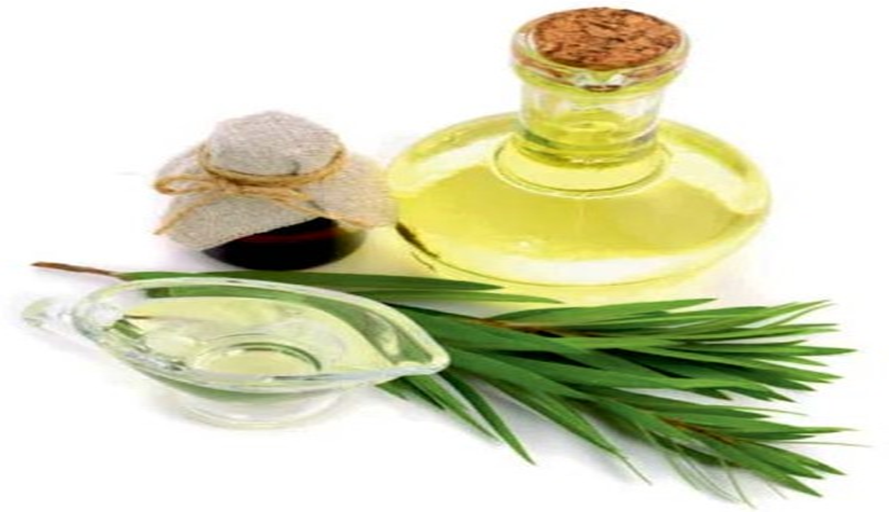
Melaleuca leucadendra is widespread in northern Australia, Southeast Asia, New Guinea and the Torres Strait Islands. It is a tree, sometimes growing to more than 20 m (70 ft) with a trunk covered with thick, white, papery bark and weeping thinner branches. It has a long flowering season, can flower at almost any time of the year and is often grown as a tree in parks and on roadsides. It was the first melaleuca to be described and was described from a specimen growing in Indonesia.s
Cajeput oil is extracted via steam distillation from the fresh leaves and twigs of the cajeput. Cajeput oil exerts significant therapeutic properties, which makes Cajeput oil useful in aromatherapy and other medicinal applications.Cajeput oil has been used as a natural remedy for colds, headaches, throat infections, and various skin conditions.
Botanical Name: Melaleuca Cajeputi, Melaleuca leucadendra,
Family: Myrtaceae
INCI Name : Melaleuca Cajuputi (Cajeput) Oil
Harvesting and Processing
Cajeput trees are typically found in tropical regions with well-drained soil and abundant sunlight. These trees can reach heights of up to 30 meters and have slender, flexible branches with dense foliage. They are known for their ability to thrive in challenging environments and are often cultivated in plain area.
Cajeput trees are usually harvested when they are 3 to 4 years old and have reached their peak oil production. The leaves, young twigs, and terminal shoots are carefully collected by experienced harvesters. Specialized techniques ensure minimal damage to the tree and maximum oil yield.
Once harvested, the plant material undergoes a distillation process to extract the precious essential oil. Steam distillation is commonly used, where steam is passed through the plant material, causing the oil glands to rupture and release the aromatic compounds. The steam and oil vapor are then condensed and separated, resulting in the valuable cajeput essential oil.
Handling and storage of cajeput Oil
Storage: Keep in tightly closed container in a cool and dry place, protected from light. When stored for more than 24 months, quality should be checked before use.
Precautions for safe handling: Maintain good occupational and personal hygiene.
Conditions for safe storage, including any incompatibilities: Sealed containers in a cool dark place. Check quality before use.
Chemical Composition (percentage)
The main components of the M.cauputi essential oil included eucalyptol (27.512), gamma terpinene (8.59), terpenolene (9.047), beta-eudesmene (3.359), alpha – terpineol (4.108), 1R-alpha-pinene (2.158), cayophyllene (6.48) and alpha- caryophyllene (3.50).
PHYSICAL and CHEMICAL PROPERTIES of CAJEPUT OIL:
Appearance: at 20°C Clear liquid Density: 0.92 g/mL at 25 °C (lit.)
Color: from pale yellow to greenish
Odor: Fresh, mint, champhoraceous Optical Rotation: (°) -4 / 0
Density: at 20°C (G/ML)) 0,890 – 0,935
Refractive Index: ND20 1,4610 – 1,4720
Flashpoint: (°C) 40
Solubility: Insoluble in water Moleclar Weight: 170.33
Odor: fresh, robust, fruity, and camphor-like Assay(%)
Cineole: 55-65%
Color & Odor: Colorless to pale yellow @22C
with eucalyptus like, camphoraceous odor
Benefits and Uses
Like other essential oils, cajeput oil isn’t regulated by the Food and Drug Administration (FDA). It’s important to carefully weigh any purported benefits of cajeput with the available research. Here’s what we know so far.
Cajeput oil for your skin
Cajeput oil has primarily been established for being an antiseptic. Older research Trusted Source suggests it has antibacterial qualities, which could make the oil beneficial for minor cuts and scratches to help prevent infection. It may also have antifungal and antiviral effects on the skin.
Cajeput oil for hair
The medicinal qualities of cajeput oil are also promoted in hair care. Scalp care and hair growth may be two of these benefits. However, there’s a lack of evidence proving that cajeput can treat hair loss or any scalp condition.
Other purported benefits
Cajeput oil is also promoted in various natural health outlets as helpful for the following conditions:
- muscle and joint pain
- toothaches
- sinusitis
- the common cold
- cough and other respiratory ailments
- anxiety and stress
How to use Cajeput oil
When properly diluted and tested for allergic reactions, cajeput oil may be safely used for your hair and skin. Don’t take essential oils by mouth.
For skin care
Once you’ve conducted a patch test, you may apply diluted cajeput oil on a larger area of skin. You can apply it directly to minor wounds, scratches, and rashes. Another option is to add a few drops to an ounce of body lotion.
For hair
You can also use diluted cajeput oil for hair in the same way you would for skin application. Another option is to add several drops of the essential oil to your shampoo before massaging it into your scalp.
In aromatherapy
While directly inhaling cajeput oil from the bottle isn’t advised, you may consider diffusing the oil for aromatherapy. You may find temporary relief from congestion and headaches, but it’s unclear whether aromatherapy can have significant effects on pain and inflammation in this way.
Potential side effects
While considered natural, cajeput oil can still cause side effects similar to other types of essential oils. Symptoms may include:
- skin rash
- redness
- irritation
- burning
(d) hives
If using topically on your skin and hair, it’s important to dilute cajeput with a carrier oil first. The National Association for Holistic Aromatherapy recommends the following for topical use: Start with three to six drops per ounce of carrier oil. If you don’t have sensitive skin, you can gradually increase this amount up to 15 drops.
You should also conduct a patch test before using cajeput oil on your skin or hair. To do this, test a diluted portion of the oil on the inside of your elbow and wait up to 48 hours. If you develop an allergic reaction, discontinue use.
Use caution when using cajeput in aromatherapy. Avoid direct inhalation, as this oil is strong enough to possibly cause or worsen breathing problems. You should also keep in mind who else might be inhaling this oil. Some essential oils are dangerous for pregnant and breastfeeding women, children, and pets.
It’s also possible for cajeput oil to cause drug interactions. If you currently take any prescription or over-the-counter medications, talk to a doctor before using cajeput.
PATCHOULI ESSENTIAL OIL
Introduction
Patchouli oil is an essential oil extracted from patchouli (Pogostemon cablin) leaves by distillation or other methods such as solvent extraction method and supercritical CO2. Patchouli oil is one of Indonesian most important commodity for export purpose. This essential oil is always in high demand to be traded internationally and added as an essential ingredient for perfumery industries, cosmetics, soaps, detergents, and pharmaceuticals.
A wide range of industrial application of patchouli oil is particularly due to its typical strong scent and most importantly its function as a fixative agent. A fixative agent is a substance used to reduce the rate of evaporation and is able to increase the mixture stability when added to more volatile components. The fixative properties of patchouli oil are mainly contributed by patchouli alcohol (C15H26O) as the main component which can classified into oxygenated terpenes. Other major constituents in patchouli oil are s-guaiene, a-guaiena, seychellene, a-patchoulene, carryphylene, b- patchoulene, pogostol, and norpatchoulenol.
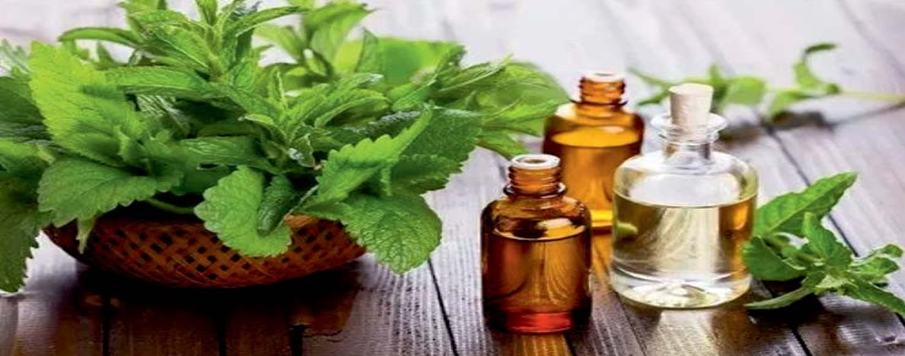
Typical patchouli oil extracted by farmers has low level of patchouli alcohol commonly below 30%. This low grade oil consequently produces patchouli oil with low market price. The level of major components in patchouli oil can be increased by appropriate determination of fractional distillation temperatures and pressures.
Cultivating and Harvesting Patchouli Essential oil:-
Patchouli oil comes from a species of plant with the genus Pogosternon by using Extraction process. This bushy herb has rigid stems, reaching 2 or 3 feet in height, and produces small, pale pink flowers. The plant is native to tropical regions of Asia and is now widely cultivated in China, India, Malaysia, Indonesia, Mauritius, the Philippines, Taiwan, Thailand, and Vietnam.
The Patchouli plant thrives in the hot, humid temperatures of tropical countries and can be grown near rice paddies or in open fields. It is commonly found growing near Coconut, Pine, Rubber, and Peanut trees. The most common method of cultivating Patchouli is by planting cuttings from the mother plant after they are placed in water.
As long as the Patchouli plant receives adequate sunlight and water, it can produce on flat or sloped land. The Patchouli leaves grow thick and small but contain a high concentration of essential oils. Less exposure to sunlight results in Patchouli leaves that are bigger, but that yield a lower volume of essential oils. Sufficient water drainage is essential, as high water levels can cause the roots to decompose. The ideal soil for increasing the Patchouli plant is soft, not tightly packed, and is rich in nutrients and organic matters. It should have a pH level that is between 6 and 7. In this ideal environment, Patchouli plant can potentially grow to a height of 2 and 3 ft.
The area in which the Patchouli botanical grows must be free of all weeds and it should be maintained through fertilization and protection against insect infestations. Patchouli matures at the 6 to 7-month mark and can be harvested at this point. The seeds that are formed by the plant’s small, light pink, fragrant flowers, which bloom in late autumn, can be further harvested to grow more Patchouli plants. The setback of this secondary process of growing Patchouli from its flower seeds is that, due to their extreme fragility and small size, if the seeds are handled inaccurately or crushed in any manner, they become unusable.
Patchouli leaves could be harvested more than once a year. The leaves are collected by hand, bundled together, and allowed to partially dry in the shade. The leaves are then allowed to ferment for a few days, after which they are exported to the distillery.
Extraction of Patchouli Essential Oil:
Patchouli oil is extracted from the young leaves which are dried and fermented prior to steam distillation and yields 2 to 3 %. This Patchouli oil improves with age to have a fuller, better-rounded odor.
The equipment used in Patchouli oil extraction process are steam generator or boiler, heat exchanger separator distillation steel gantry and lifting equipment coolers condenser, receiver and dry cooler.
Steam distillation of Patchouli Essential Oil:
Patchouli is a farmer-friendly crop because it is simple to handle, unlike other aromatic plants. Moreover, the leaves once dried and accurately preserved can be used for distillation leisurely. The essential oil is originated in all parts of the Patchouli plant including the root, but experiments have shown that the top leaves and tender twigs contain the highest quality oil.
Generally, dry leaves stored for 4 to 6 months produce more oil with superior aroma. Steam distillation is the common process used for the extraction of essential oils from plants. Although there are other extraction methods (hydro distillation, microwave distillation, supercritical fluid extraction, ultrasound extraction), from the consumer point of view steam distillation remains the preferred method for the extraction of essential oils from plant materials. The steam distillation equipment consists of a boiler, distillation still, condenser and receiver. The distillation still is normally made up of mild steel with perforated bottom to support loaded herb for distillation. The herb should be evenly or tightly packed inside the still as otherwise, stream channels may form during the distillation resulting in poor yield of essential oils. The water level in the boiler must be well maintained by frequent checking.
Maintenance of high and low pressures, i.e. 1.4 to 3.5 kg/m2 produces better quality as more cell walls rupture in this procedure. The duration of the distillation varies from 6 to 8 hours. The condenser will cool the vapors received from the distillation still. It consists of several tubes made up of stainless steel and mounted inside a jacket. The condenser is provided with inlet and outlet for circulation of cooling water. The hot vapors consisting of steam and patchouli essential oil vapors are cooled in the condenser tubes and the condensate flows out into the receiver. The patchouli essential oil vapor and spent steam that comes out of the distillation still will be condensed back to the liquid phase in the water cooled condenser and the condensate will be collected in the receiver tank.
Steam distillation process results in two separate products they are the liquid distillate which contains the volatile, water-soluble parts of the Patchouli plant materials known as “hydrosol” and the volatile non water soluble part of the plant constituents known as the “essential oil”. The condensate in the receiver tank should be allowed to stand for sufficient time so that the patchouli oil separates out as far as possible from the water layer. After the reasonable separation in the receiver tank, the Patchouli essential oil should be further separated from the water phase using a separating Funnel. The Patchouli oil being lighter than water and insoluble floats on the top of the receiver and only water get drained out. The oil will be still turbid. All traces of moisture needs to be removed from the oil by adding anhydrous sodium sulfate at the rate of 20 to 30 g/L and keeping the distillate mixture for 4 to 5 h, after which the oil is filtered through a filter media to get clear essential oil. Moisture can induce polymerization of Patchouli oil leading to a loss in quality.
Fractionation of Patchouli Oil procedure:
Patchouli oils from two sources (patchouli oil A and B) were used in which each of them has different initial quantity of patchouli alcohol (PA): PA-1, 27.03% and PA-2, 36.87%. Separation of patchouli oils into their fraction were carried out by fractional distillation method. Two variables were examined, initial content of patchouli alcohol (27.03%; 36.87%) and fractionation temperatures (120°C, 125°C, 130°C, 135°C). Different initial values might influence the final patchouli alcohol fraction. Fractional distillations were performed at 100 mbar.
As a common practice, the patchouli oil is extracted from patchouli leaves by steam distillation.
Special features of Patchouli Essential Oil:
Patchouli oil is an important ingredient and used as a ‘base’ material in the perfumery industry. Patchouli essential oil is perfume by itself. There is no synthetic substitute or chemical for patchouli oil, which increases its value and demand in the perfumery market. Patchouli essential oil mixes well with many other essential oils including vetiver, rosemary, sandalwood, frankincense, bergamot, cedar wood, myrrh, jasmine, rose, citrus oils, lemongrass, geranium, and ginger, contributing a rich spicy aroma.
Measurement of oil Physico-chemical properties:
Measurement of the oil physico-chemical properties including specific weight, refractive index, optical rotation, solubility in alcohol, acid value, ester value, and determination of patchouli alcohol content. All of these parameters are described in the SNI 06- 2385-2006.
Identification of chemical composition and chromatographic analysis:
Identification of chemical composition is determined by gas chromatography–mass spectrometry (GC-MS) instrument. The GC analysis of the oils was performed on gas chromatograph, fitted with a Stabil wax capillary column, 30 m x
0.25 mm x 0.25 um, and a flame ionization detector (FID). Helium was the carrier gas, performed under split injection mode. The oven temperature was set initially at 100 °C for 2 min and increase to 160 °C at the rate of 5°C/min for 5 min, then to 220 °C at the rate of 10 °C/min and hold for another 10 min.
The GC-MS analysis was performed on a gas chromatograph (Shimadzu GCMS-QP 20105), using a fused-silica capillary column (Rtx-5MS), coupled to a selective mass detector. The injector temperature was 300°C. The initial oven temperature was 80°C. The carrier gas was helium with a flow rate of 0.68 mL/min. The sample volume injected was 1 µl with a split rate of 99.7. Identification of each fraction of the patchouli oil was based on the comparison with GC-MS library (Electronic Wiley Library).
Table 1. The Physico-chemical properties of Patchouli Oil A and B
| Parameters | Patchouli oil A | Patchouli oil B |
| Colour | yellow-brown | yellow-brown |
| Specific weight (25°C/ 25°C) | 0.964 | 0.965 |
| Refractive index (nD ) 20 | 1.513 | 1.515 |
| Solubility in alcohol 90% | Clear solution in Volume ratio o Of 1:10 | Clear solution in volume ratio of 1:10 |
| Acid value | 0.50 | 0.52 |
| Esther value | 12.62 | 12.65 |
| Optical rotation | (-) 52° | (-) 53° |
| Patchouli Alcohol | 27.03% | 36.87% |
| Alpha copaene (%) | Not detected | Not detected |
Table 2. Composition of Patchouli Oil A and B
| Peak Number | Retention Time (min) | Compound | Patchouli OIL A (%) | Patchouli Oil B (%) |
| 1 | 10.19 | b-patchoulene | 3.32 | 2.51 |
| 2 | 10.34 | b –elemene | 1.25 | 0.93 |
| 3 | 10.89 | Seychellene | 0.93 | 0.54 |
| 4 | 11.09 | trans-caryophyllene | 4.61 | 2.96 |
| 5 | 11.54 | a-guaiene | 14.15 | 10.41 |
| 6 | 15.26 | seychellene | 8.25 | 6.51 |
| 7 | 11.92 | a-humulene | 1.07 | 0.73 |
| 8 | 12.04 | a-patchoulene | 5.94 | 4.92 |
| 9 | 12.11 | s-gurjunene | 2.69 | 2.14 |
| 10 | 12.17 | Patchoulene | 1.13 | 0.93 |
| 11 | 12.26 | trans-caryophyllene | 0.70 | 0.54 |
| 12 | 12.42 | a-guaiene | 0.81 | 0.65 |
| 13 | 12.74 | Eremophilene | 0.95 | 0.79 |
| 14 | 12.97 | a-guaiene | 5.35 | 0.63 |
| 15 | 13.20 | s-guaiene | 16.35 | 15.02 |
| 16 | 15.10 | caryphyllene | 0.74 | 0.96 |
| 17 | 16.26 | benzocyclohepten | 1.08 | 1.23 |
| 18 | 17.31 | veridiflorol | 2.78 | 4.51 |
| 19 | 17.63 | patchouli alcohol | 27.03 | 36.87 |
| 20 | 19.47 | 2H-pyran-2-one | 0.87 | 1.02 |
Patchouli Essential Oil storage:
The Patchouli oil has a naturally very long shelf life with many users preferring older oils, which tend to darken with age. This is based upon proper storage away from direct sunlight, air, and moisture. We advise a 36-month initial shelf life from analysis date, with the capability to extend based upon annual checks for several decades.
When stored in cool, dark conditions in full containers Patchouli essential oil has an extremely long shelf life (several decades) with perfumers advising that Patchouli improves with age. The Patchouli essential oil thus obtained must be stored in air-tight aluminum containers or color glass bottles up to the brim and stored in a cool dry place, away from light.
Uses of Patchouli Essential Oil:
Patchouli oil has a characteristic scent that might be described as woody, sweet, and spicy. Because of this, it’s often used as a scent additive in products like perfumes, cosmetics, and incense.
Patchouli oil has a variety of additional uses throughout the world. Some of these include:
- treating skin conditions such as dermatitis, acne, or dry, cracked skin
- easing symptoms of conditions like colds, headaches, and stomach upset
- relieving depression
- providing feelings of relaxation and helping to ease stress or anxiety
- helping with oily hair or dandruff
- controlling appetite
- using as an insecticide, antifungal, or antibacterial agent
- using as an additive in low concentrations to flavor foods like candies, baked goods, and beverages
Precautions:
Patchouli oil doesn’t often elicit irritation or
an allergic response when applied to the skin. But you should still be careful when initially applying it in case a reaction occurs. Never apply undiluted patchouli essential oil to the skin.
Because patchouli oil can affect blood clotting, the following people should avoid using patchouli oil:
- those taking blood-thinning medication
- individuals who have recently had or will be undergoing major surgery.
- those with bleeding disorders, such as hemophilia
As always, it’s important to remember that essential oils are very concentrated and should be properly diluted before using on the skin or for aromatherapy.
Never eat or drink any essential oil without first consulting a qualified medical professional.
TEA TREE ESSENTIAL OIL
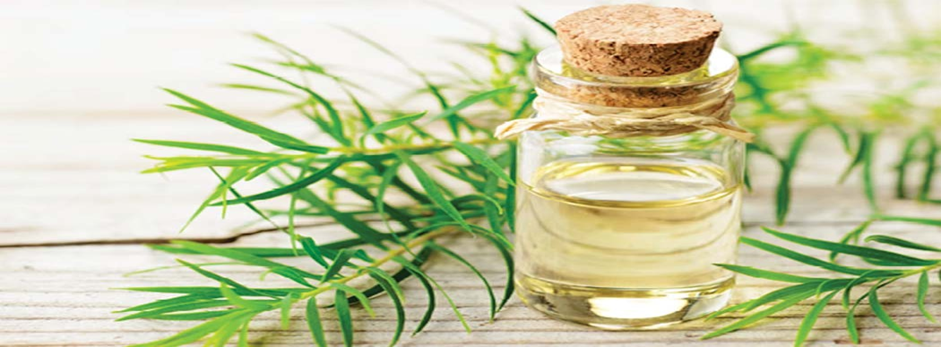
Tea tree oil, also known as melaleuca oil, is an essential oil with a fresh, camphoraceous odor and a colour that ranges from pale yellow to nearly colourless and clear. It is derived from the leaves of the tea tree, Melaleuca alternifolia, native to southeast Queensland and the northeast coast of New South Wales, Australia. Australia is a only place in the world where melaleuca alternifolia tea trees are mainly grown naturally The oil comprises many constituent chemicals, and its composition changes if it is exposed to air and oxidizes. As a traditional medicine, it is typically used as a topical medication in low concentrations for the treatment of skin conditions, Preliminary studies, the Mayo Clinic says that tea tree oil has been shown to be effective against dandruff, athlete’s foot, and lice eggs.
The wide application of tea tree oil initially began from the discovery of Australian chemist, Arthur R. Penfold, in 1992 whereby he discovered that Melaleuca oil is an extremely powerful antiseptic, which is far more efficient than phenol, without causing any damage to the skin layer.
Tea tree Harvesting
Harvesting is done on a regular rotation every second or third year during spring and late summer when the leaves are mature. In Australian plantations, harvesting is done with big machines which cut the growth right off at ground level but at True Blue Organics we cut about a metre above the ground and continue to cut all the regrowth at that level. The trees have very vigorous growth and regrowth and about 90% of our original plants are still producing fifteen years later.
The cut plant material is gathered, loaded on to the trailer and taken to the barn for further processing.
It is useful to allow the leaves to wilt for a few days as the initial drying means less moisture for the steam to remove and makes it easier for the steam to open the oil glands and extract the oil.
These branches are trimmed into short lengths using a sharp machete. Hand processing allows any insects to be removed and weeds which could cause allergies, making the oil free of any possible contamination.
The trunks and thicker branches have no oil in them and when all the leaves and twigs have been trimmed off, the leafless branches are taken to a stock pile which builds up over the year. In early spring, we hire a big commercial mulcher to chip this woody material which is used to create a large compost heap. The composted material is then spread back around both the Tea Tree, the vegetable garden and around our Feijoa bushes.
Extraction of Tea Tree Oil
As for the extraction process of tea tree oil, the conventional technology being used till today in the industry is by the steam distillation method. Although it is the ancient form of extracting essential oils from leafy plants and requires simple utilities for the extraction process, the high temperature steam used as the extraction medium may cause slight changes in the extracted tea tree oil composition, therefore, probably may affect the overall chemistry of the essential oil which influences the oil’s efficiency. Besides that, the essential oil components which requires higher boiling point ranges involves large amount of steam which prolongs the distillation period upon completion. Another major drawback upon the application of this method is that it contributes to the low yield of tea tree oil, as a small fraction of the essential oils, consisting of the polar hydrophilic constituents dissolves in the water collected in the receiver, thus contributing to the hydrosol formation, which is the mixture of recovered water and some dissolved hydrophilic portion of essential oils In common practice, the recovery of oxygenated compounds from hydrosols collected are usually disregarded and consequently resulting in the degradation of the market value of the co-product distilled from aromatic plants.
To eliminate the chances of incomplete recovery of essential oils, alternatively, solvent extraction method is possibly deemed as a substitute approach in which it may complement the potential drawbacks set by the conventional method. In the case of tea tree oil extraction, as most of the constituents are comprised of lipophilic compounds such as terpenes hydrocarbons, organic solvents such as nhexane and petroleum ether are highly preferred instead of introducing high temperature steam, to solubilize the essential oil compounds as most of the non-polar constituents dissolves in non-polar solvents (likedissolve-like). Aromatic plants containing limited amount of oil content in their leaves, for instance the Melaleuca alternifolia sp., with an estimation oil content of 1-2% on a basis of fresh plant weight, may not be entirely feasible for steam distillation approach, as they are very delicate and mostly consist of highly volatile monoterpenes compounds, in which it is recommended for them to be extracted via the dissolution of these volatile components in organic solvents to form “absolutes”, instead of causing losses of these valuable compounds through the high temperature steam
The invention discloses a method of extracting tea tree essential oil from tea trees.
The method includes:
- washing tea leaves, crushing them to 20 meshes to 80 meshes in particle size, adding organic solvent, performing percolation extracting, and filtering extract;
- concentrating filtrate under normal pressure, recycling solvent, and performing vacuum concentration to obtain tea tree concrete;
- Subjecting the tea tree concrete to molecular distillation, and removing the solvent and polymer materials successively to obtain the tea tree essential oil. The tea tree essential oil is purified and extracted by means of molecular distillation, organic solvent percolation and molecular distillation are made full use, and the tea tree essential oil is extracted quickly and efficiently.
Yield of absolutes from Melaleuca alternifolia sp. based on different types of solvents.
| Extraction solvents | Mass of extracted tea tree absolutes (g/g) | Yield of absolutes |
| n-hexane | 0.48 | 0.96 |
| Petroleum ether | 0.53 | 1.06 |
| Ethanol | 0.39 | 0.78 |
Composition of Tea Tree oil
Chromatographic profile of selected components in tea tree oil according to ISO 4730 standard.
| Component | Minimum (%) | Maximum (%) |
| a-pinene | 1 | 6 |
| a-terpinene | 5 | 13 |
| Limonene | 0.5 | 1.5 |
| p-cymene | 0.5 | 8 |
| 1,8-cineole (eucalyptol) | trace | 15 |
| g-terpinene | 10 | 28 |
| Terpinolene | 1.5 | 5 |
| terpinen-4-ol | 30 | 48 |
| a-terpineol | 1.5 | 8 |
Uses for tea Tree Oil
Tea tree oil is an essential oil that has several uses, including keeping your skin, hair, and nails healthy.
Although Melaleuca alternifolia is known as the tea tree, it should not be confused with the plant whose leaves are used to make black, green, and oolong tea.
- Using tree oil as a natural hand sanitizer may help kill a number of germs responsible for colds, the flu, and other illness.
- Tea tree oil has been shown to kill or repel insects. In some cases, it is as effective as or more effective than standard insecticides or repellents.
- Tea tree oil contains compounds that fight bacteria responsible for body odor. It can be used to make a safe and effective deodorant.
- Applying a mixture of tea tree oil and coconut oil can help prevent minor cuts and abrasions from becoming infected.
- Tea tree oil may help speed wound healing by reducing inflammation and increasing white blood cell activity.
- Gels containing tea tree oil have been shown to reduce the number of lesions and severity of acne in a number of studies.
- Tea tree oil appears to be as effective against fungal nail infections as antifungal medications applied to the area.
- Tea tree oil can be diluted with water to create a mouthwash that helps fight bad breath and dental plaque.
- Tea tree oil can be mixed with water and vinegar to create a chemical-free, all-purpose cleaner for your home.
- Applying a tea tree oil mixture may help combat skin inflammation related to contact dermatitis or insect bites.
- More studies are needed, but the antifungal properties of tea tree oil have been found to reduce the severity of dandruff and improve other symptoms.
- Tea tree oil’s antifungal properties may help alleviate symptoms of athlete’s foot.
- Tea tree oil contains compounds that help fight the growth of mold on fruits and vegetables. Adding tea tree oil to water when rinsing produce may help your produce remain mold-free.
- Applying a mixture of tea tree oil and coconut oil may help relieve the symptoms of psoriasis.
Precautions
Although tea tree oil is generally safe when used on adults’ skin, allergic reactions may occur in some people. Tea tree oil may be unsafe for young children and pets.
ROSEMARY ESSENTIAL OIL
Introduction:-
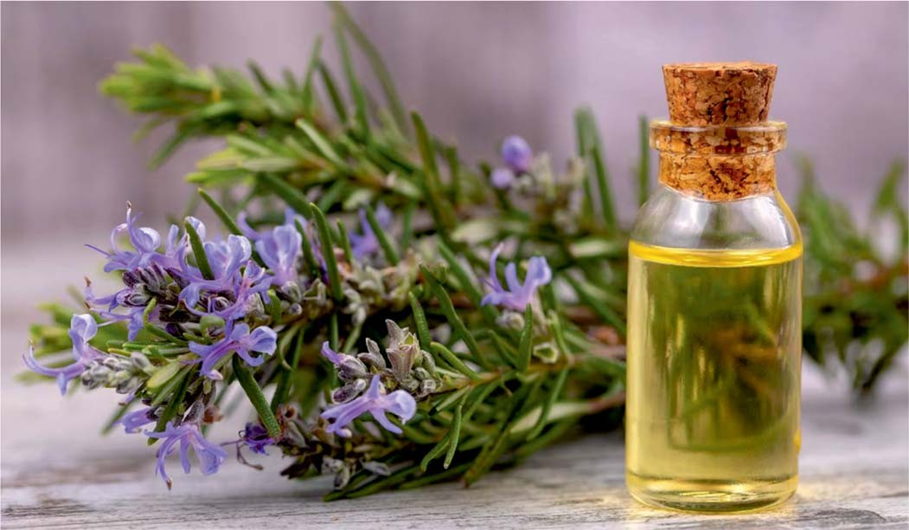
Rosemary tree is an aromatic, medicinal and condiment plant that belongs to the family Labiatae. Rosemary is rosemary tree is a shruby preferred because it is of interest as a preservative due to its anti- oxidative characteristics and it is used in the pharmaceutical, food, and cosmetic industries.evergreen bush that grows up to 15 meters or four feet high with green-grey needle-shaped leaves and pale blue or lilac flowers. The use of Rosemary oil are abundant ranging from medicine and odour to cosmetics. Its many forms consists of oils, gels, lotions, soap, shampoos, and sprays to name a few suggestions by homemade products.
Botanical Name:
Rosemary (Rosemarinus officinalis L) is of considerable importance in terms of its great as an important medicinal and aromatic value. This plant belongs to Lamiaceae family.
Rosemary Oil Extraction Process:
Rosemary Oil is extracted from the fresh Rosemary flowering tops by steam distillation. Methods of Rosemary essential production can be extracted using a variety of methods, although some are not commonly used today.
Steam Distillation:
The vast majority of Rosemary essential oil is produced by steam distillation is in the most commonly used process for extracting essential oils. The steam distillation process is carried out in a still in which fresh or sometimes dried plant material is placed in a chamber of the still. Pressurised steam, made in a separate chamber is circulated through the plant material. The heat of the steam forces opens the tiny inter cellulor pockets in which the Rosemary essential is contained releasing the oil.
During steam distillation the temperature should be modrate so that it is high enough to open the oil pouches without destroying the plants, fracturing or burning the essential oil. As the tiny droplets of the essential oil are released, they evaporate and mingle with steam travelling during a pipe into a condenser. The steam and essential oil are then condensed to a liquid mixture.
Due to the immiscibility of the oil and water at low temperatures, the Rosemary essential oil can be divided from the water by either by decanting off the water or skimming of oil from the top. The water obtained as a byproduct by distillation is referred to as floral water quantity or distillate and retains many of the therapeutic properties of the plant.
Chemical composition:
The major chemical components pf Rosemary Oil are a- pinene, borneol, b-pinene, camphor, 1,8- cineol and limonene myrcene, carnosol, betulinic acid.
Benefits of Rosemery Essential Oil:
- Rosemary essential oil increases the circulation to the scalp and is therefore also effective for prompting hair growth.
- Boosts immune system when it comes to protecting the body from diseases , rosemary oil contains myrcene, a chemical that acts as a powerful antioxidant and hunts down free radicals that can damage cells and cause a number of infections and diseases. Thus inhaling rosemary oil as a regular basis can help boost the immune system.
- Rosemary oil works as a powerful anti- inflammatory agent as it contains a- pinnene that works to alleviate swelling and pain.
- Works as an antidepressant: Another great method that Rosemary oil benefits mental health is by acting as an antidepressant. The carnosol and betulinic acid creat in rosemary oil have been found to creat antidepressant effect in rats.
- Aromatherapy use of Rosemary oil helps people relax and treats symptoms of depression.
References:
And from Internet sources.
Perfumery Materials – Production & Applications, D.K. Bhattacharyya, Stadium Press (2009).
India Essential Oils Market Size, HORIZON Grand View Research.
Methods of Extracting Volatile Oils, support @ usalab.com
Adulteration of Essential Oils, Francesca Capetti et. al., National Library of Medicine (National Centre for Biotechnology Information), Molecules, 2021 Sept 16 ; 5610, doi : 10.3390 / molecules 26185610.
Detection of Essential Oils Adulteration, Paul Vargas Jentzsch et. al., Am J Biomed Sci & Res. 2019 – 4(1). AJBS CMS.ID.000746. DOI: 10.34297/AJBSR.2019.04.000746, Received: July 01, 2019 | Published: July 15, 2019.